
Puppies experience rapid skeletal, muscular, and neurological growth during their first 12 to 18 months of life. Selecting a scientifically balanced puppy diet is one of the most critical decisions you will make as an owner. Under UK FEDIAF nutritional standards, puppy foods must provide higher bioavailable protein, elevated caloric density, and strictly regulated calcium-to-phosphorus ratios to prevent developmental orthopaedic diseases.
At a Glance: Top UK Puppy Foods 2026
| Food & Brand | BBH Score | Protein / Fat | Key Growth Nutrients | Est. Daily Cost | Check Price |
|---|---|---|---|---|---|
|
Scrumbles Natural Turkey Growth
#1 All-Stage Puppy | 85/100 | 28% / 13% | DHA Salmon Oil & Live Probiotics | Moderate | Check Amazon |
|
Harringtons Complete Salmon Puppy
Best Budget Puppy | 85/100 | 28% / 14% | Omega-3 Marine Oils & Kelp | Budget | Check Amazon |
|
James Wellbeloved Puppy Turkey & Rice
Gentle Digestion | 84/100 | 29% / 15% | Hypoallergenic & Balanced Ca:P | Moderate | Check Amazon |
Macronutrient Breakdown: Growth & Brain Development
Puppies need elevated protein (28-32%) to support cellular replication and muscle accretion, paired with moderate fats containing docosahexaenoic acid (DHA) for optimal retinal and brain maturation.
Ideal Puppy Macronutrient Split (Dry Matter)
Calcium levels must be strictly maintained between 1.0% and 1.6% on a dry-matter basis, especially for large breed puppies prone to hip dysplasia and osteochondritis dissecans (OCD).
UK Puppy Feeding Costs: Daily Budget Spectrum
Estimated Daily Feeding Cost (Feeding a 5-10kg Growing Puppy)
Spotlight: Our Top Puppy Recommendations
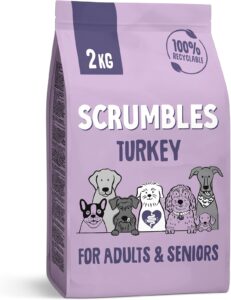
Scrumbles Natural Dry Dog Food with Probiotics (All Life Stages)
- High animal protein (28%) supports lean muscle
- Added salmon oil delivers essential DHA
- Slippery elm bark protects developing gut lining
- Smaller kibble size may be inhaled quickly by giant breeds
- Slightly firmer crunch requires hydration for early weaning
What to Look For vs Avoid in Puppy Food
- DHA & EPA Omega Oils: Supports brain and vision development
- Minimum 28% Bioavailable Protein: From named fresh or dried meats
- Balanced Calcium:Phosphorus Ratio: 1.2:1 to 1.4:1 ratio
- Natural Prebiotics: FOS, MOS, and live gut flora support
- Generic Adult Foods: Lack adequate calcium, protein, and calories
- Excessive Calcium Supplements: Can cause skeletal deformities
- Unspecified Animal Fats: Inconsistent quality for young stomachs
- Artificial Colourings: Unnecessary chemical additives with zero nutritional value